Skip to content
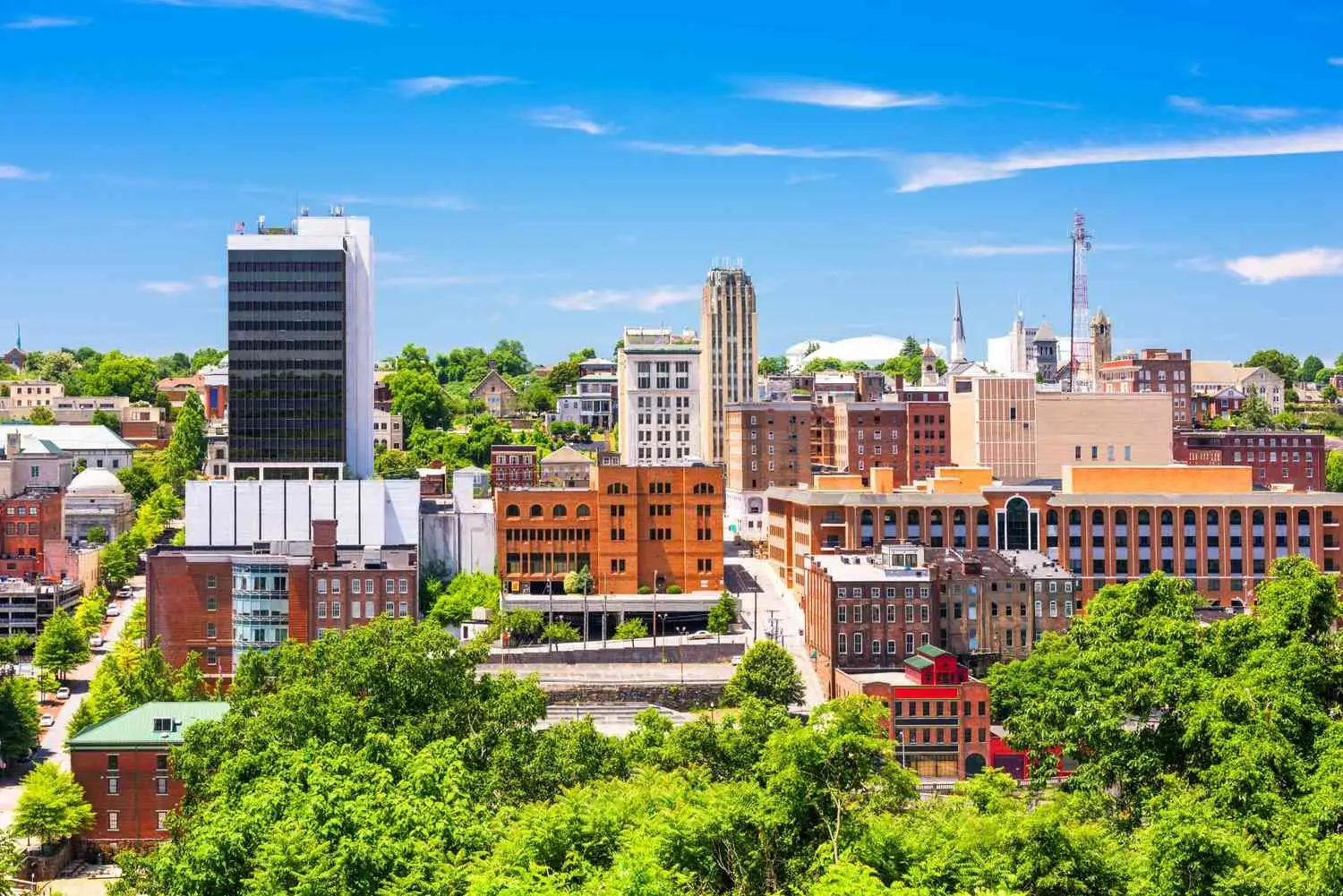
Downtown Lynchburg's skyline rising above the trees

Lynchburg, Virginia · Area guide

Lynchburg

The Hill City on the James River: historic neighborhoods, a walkable downtown, five colleges and a short commute almost anywhere you work.

Population
79,009
2020 Census
Average commute
16.8 minutes
U.S. Census Bureau
Real estate tax
$0.84
per $100 of assessed value (city)
School system
Lynchburg City Public Schools
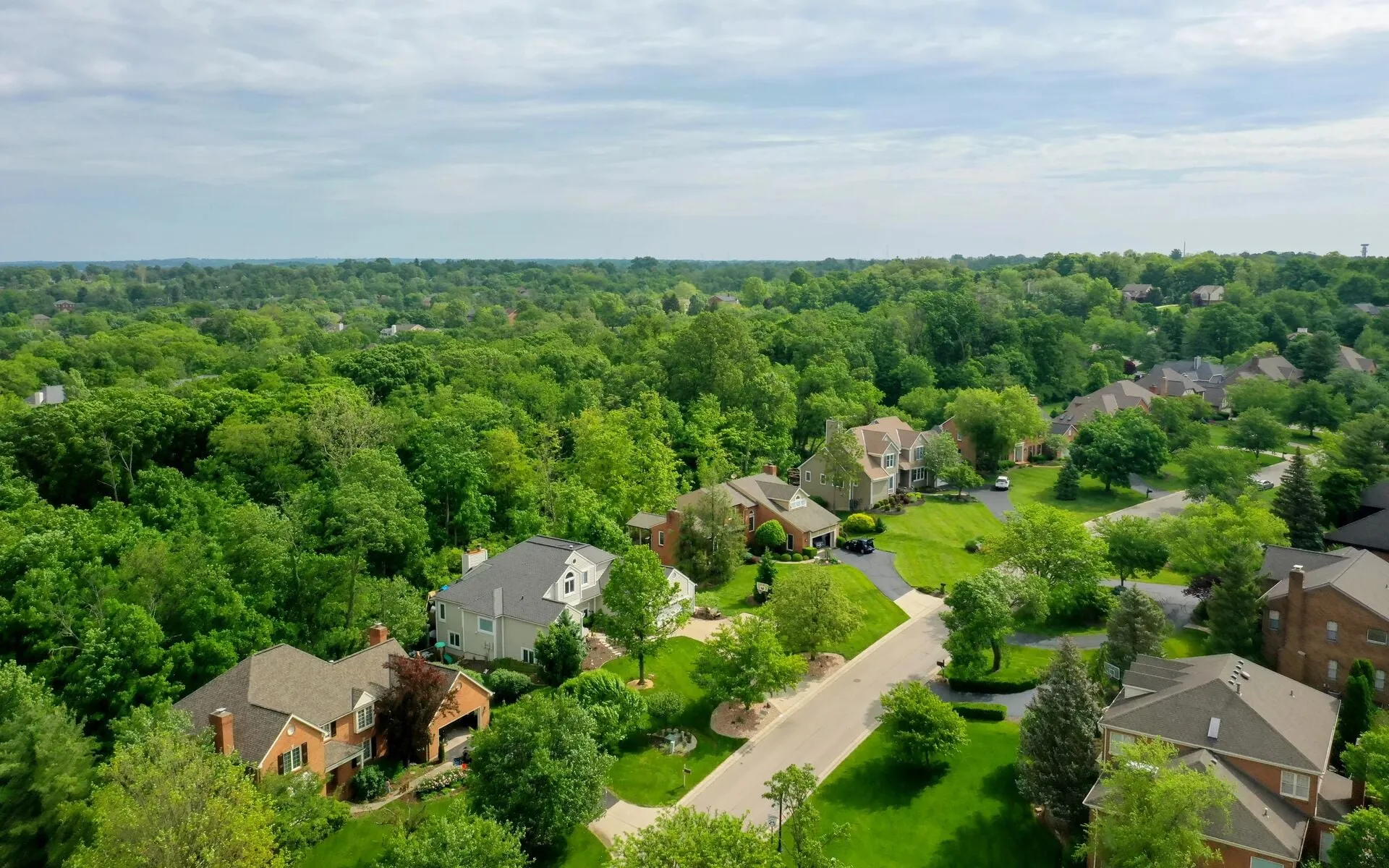
Homes inside the city limits

The Hill City

Living in Lynchburg

Lynchburg started as a ferry crossing. John Lynch began running a ferry across the James River in the 1750s, the Virginia General Assembly established the town in 1786, and it became a city in 1852. It still sits where it began, on the bluffs above the James in the foothills of the Blue Ridge.

It is called the Hill City for a reason. The original neighborhoods climbed seven hills: College Hill, Garland Hill, Daniel's Hill, Federal Hill, Diamond Hill, White Rock Hill and Franklin Hill. Streets are steep, views open up in unexpected places, and a house two blocks from another can feel like a different town. That variety is the best thing about buying here, and the reason it pays to know the city street by street.

A house two blocks from another can feel like a different town

Lynchburg at a glance

Type
Independent city (no county)
Population
79,009 (2020 Census); about 81,300 (2025 estimate)
Metro area
About 261,600 people, Virginia's fifth-largest metro
Real estate tax
$0.84 per $100 of assessed value (city)
Schools
Lynchburg City Public Schools
Average commute
16.8 minutes
Elevation
630 feet
Nickname
The Hill City

From ferry crossing to city

  1. 1750sJohn Lynch begins running a ferry across the James River
  2. 1786The Virginia General Assembly establishes the town
  3. 1852Lynchburg becomes a city
  4. 1891The Rivermont Bridge crosses Blackwater Creek
  5. 2015The Lower Bluffwalk opens downtown

Seven hills above the James

The seven hills of Lynchburg

JAMES RIVERCollege01Garland02Daniel's03Federal04Diamond05White Rock06Franklin07

City or county?

One Lynchburg address, three places it can be

Lynchburg is an independent city, so it belongs to no county. Homes inside the city limits pay the city's real estate tax and attend Lynchburg City Public Schools. That sounds simple until you notice that parts of Bedford County and Campbell County use Lynchburg mailing addresses. A "Lynchburg" listing can be a city home or a county home, with different taxes and different schools. I confirm which one it is for every home before you make an offer.

Mailing addressLynchburg, VA
  • City of Lynchburg

    Real estate tax

    $0.84 per $100

    Schools

    Lynchburg City Public Schools

    Where you see it

    Downtown, the hills, Rivermont, Fort Hill, Wyndhurst

  • Bedford County

    Real estate tax

    $0.41 per $100

    Schools

    Bedford County Public Schools

    Where you see it

    Many Boonsboro addresses

  • Campbell County

    Real estate tax

    $0.45 per $100

    Schools

    Campbell County Public Schools

    Where you see it

    Much of Timberlake

I confirm this for every home.

Rates per $100 of assessed value, as of October 5, 2026. Confirm with the locality.

Neighborhoods

Lynchburg neighborhoods, street by street

City Often county

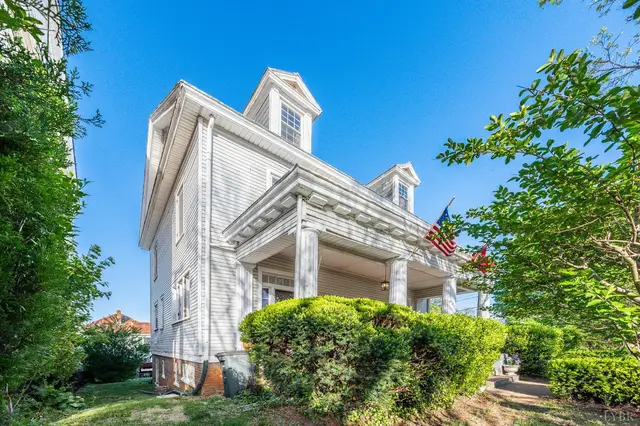
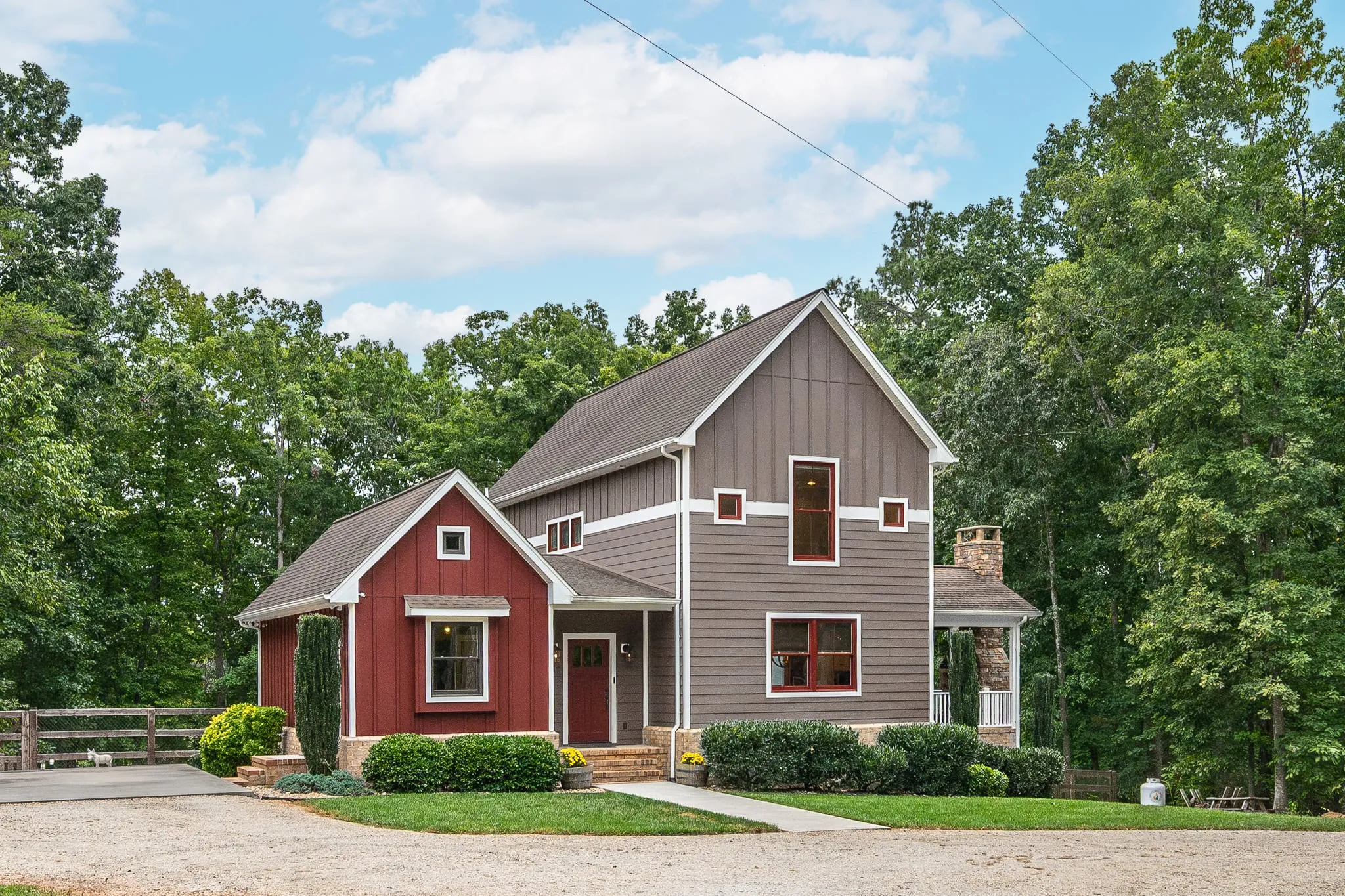
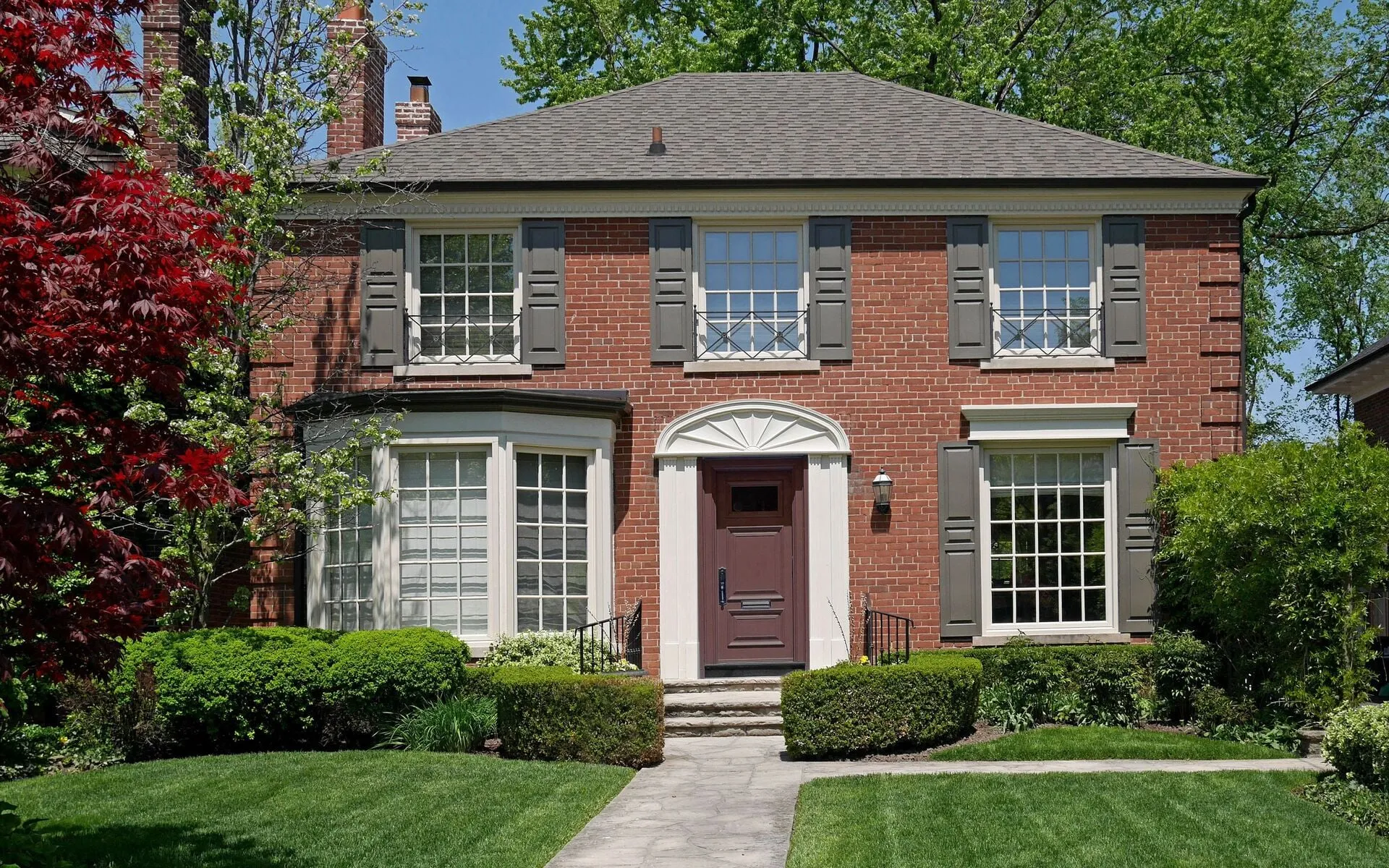
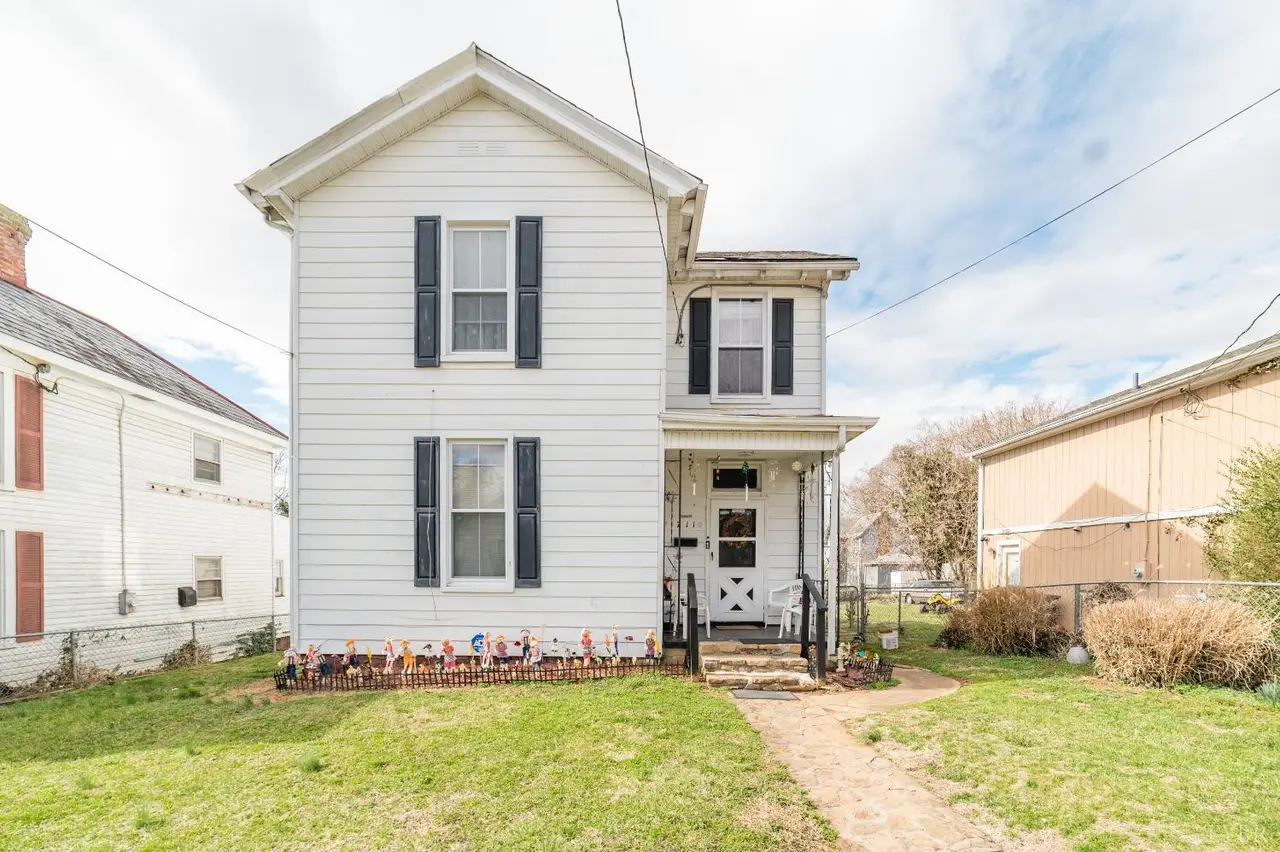
Home in Daniel's Hill, Lynchburg, VA1800s

Downtown and the historic hills

City
Homes
Lofts and 19th-century homes on compact lots
Best for
Character and a short walk to downtown

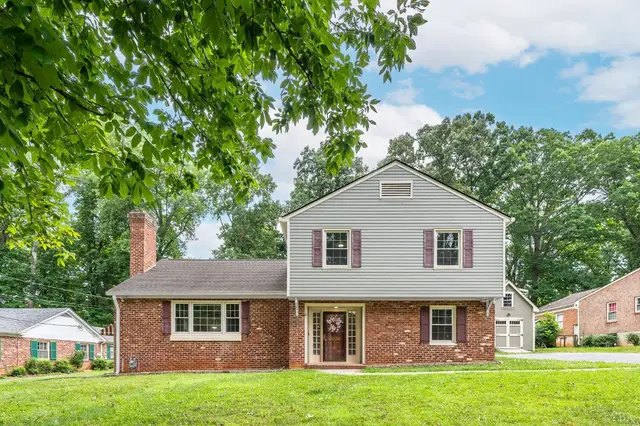
Downtown Lynchburg has come back to life along the river. Old tobacco warehouses and factories now hold lofts, restaurants and offices, and the Lower Bluffwalk, a pedestrian street that opened in 2015, ties the riverfront to the blocks above it. Climb from there and you reach the historic hill neighborhoods: Court House Hill, Federal Hill, Garland Hill, Diamond Hill and Daniel's Hill. Several are National Register historic districts, with 19th-century homes on compact lots, brick sidewalks and big porches. Buyers who want character and a short walk to downtown start here.
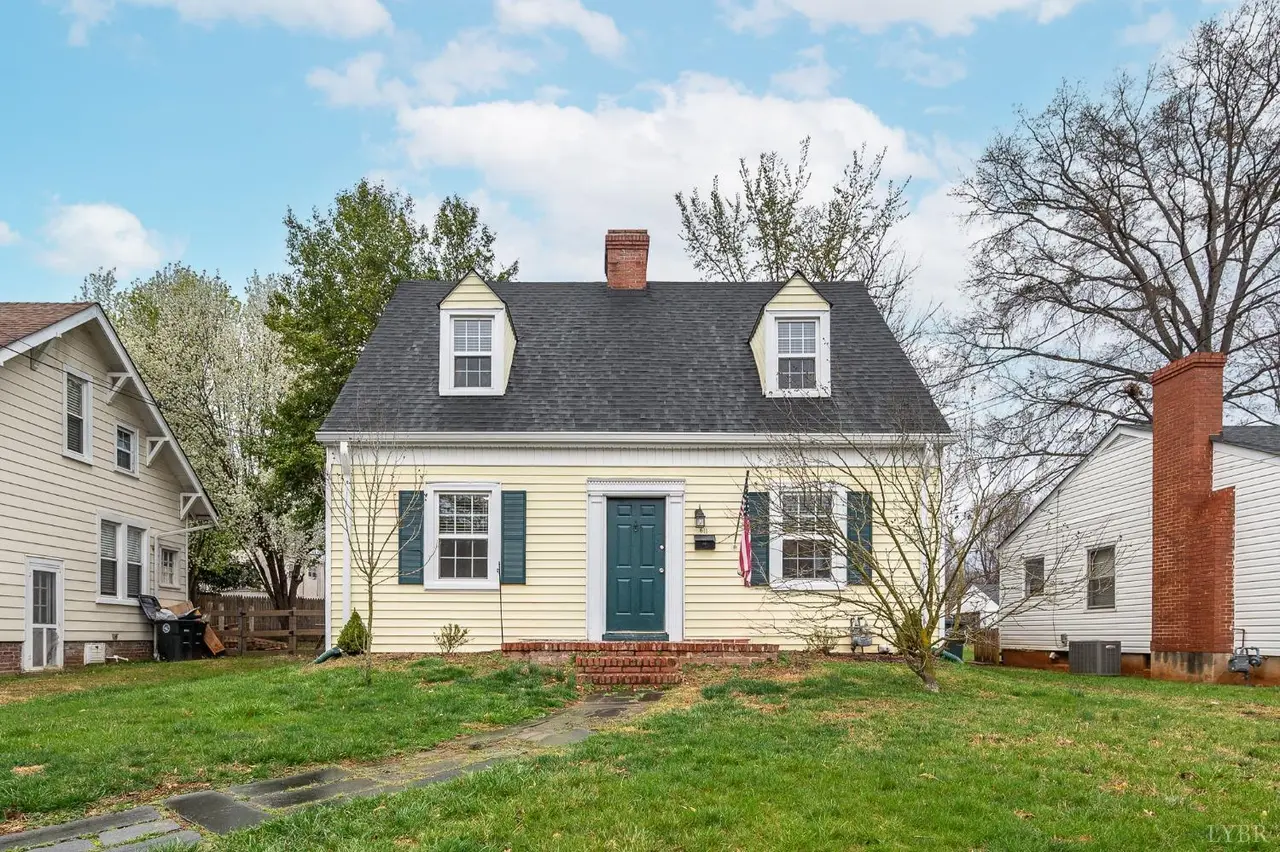
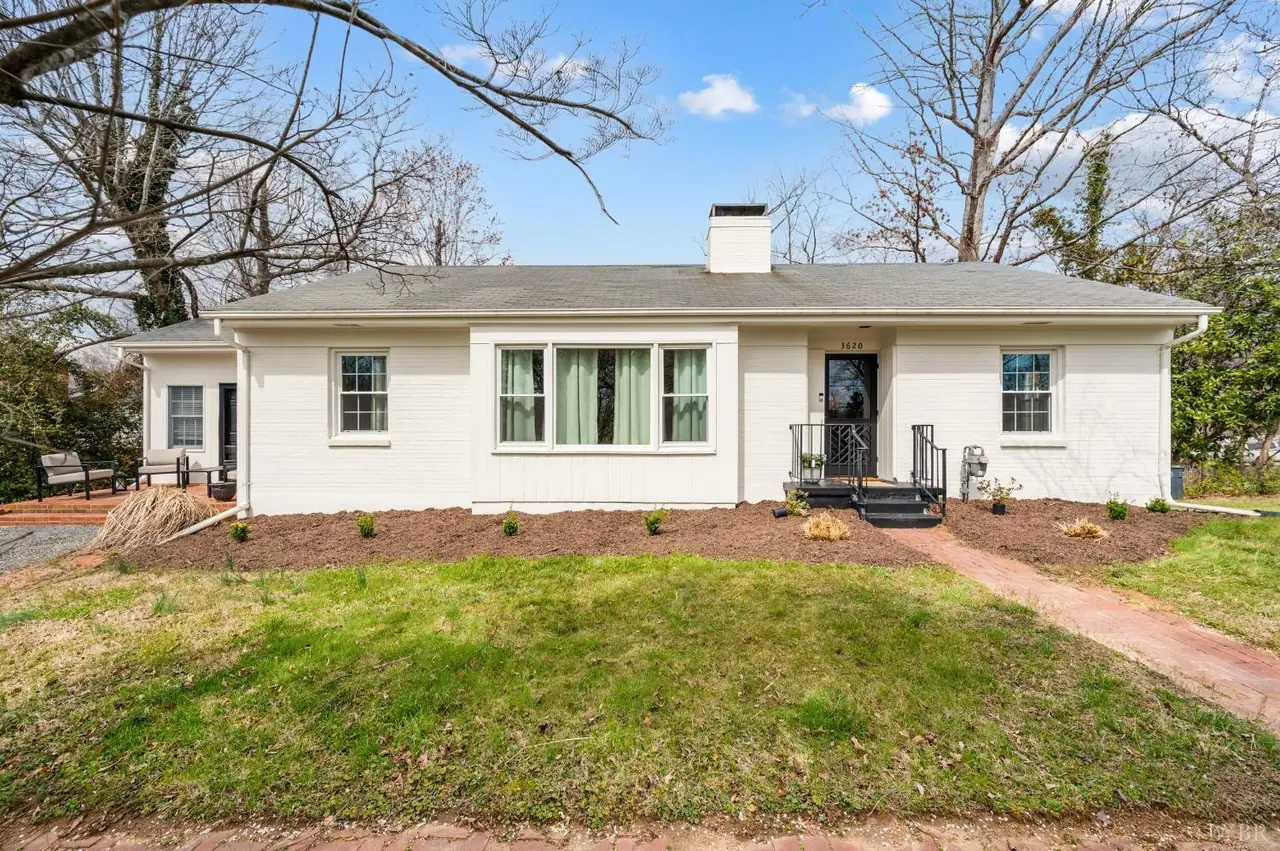
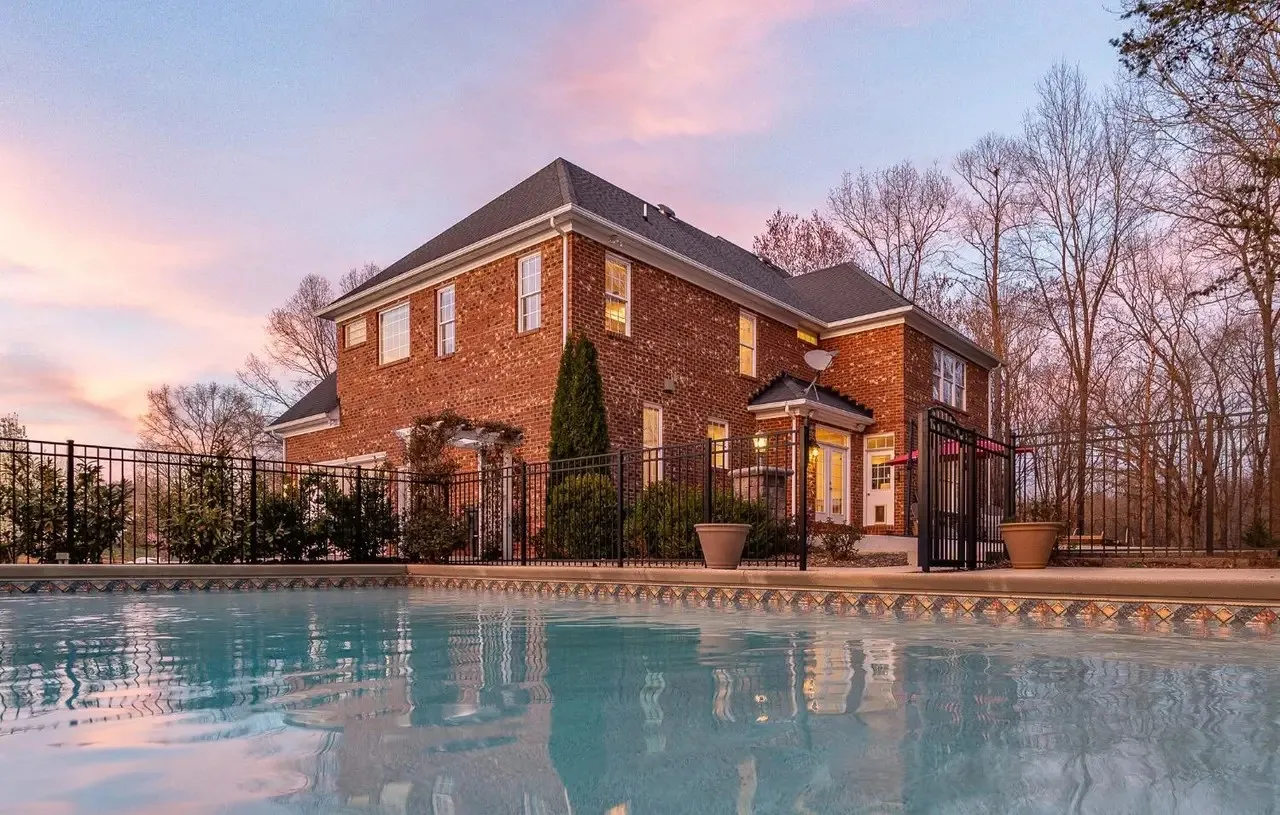
Home in Rivermont, Lynchburg, VA1890s to 1940s

Rivermont

City
Homes
Large homes on tree-lined streets
Best for
The largest historic district in the city

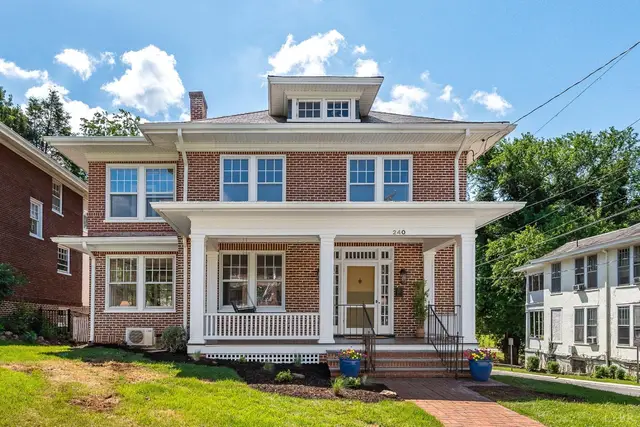
Rivermont was planned in the early 1890s as one of Lynchburg's first suburbs, and it opened when the Rivermont Bridge crossed Blackwater Creek in 1891. Unlike the city's grid, Rivermont Avenue follows the curves of the hills, and the original deeds set rules for setbacks and building size, which is why the street still feels so consistent. The Rivermont historic district runs from the Rivermont Bridge to Oakwood Country Club and is the largest in the city. Expect homes built between the 1890s and the 1940s, many of them large, on tree-lined streets near Randolph College.

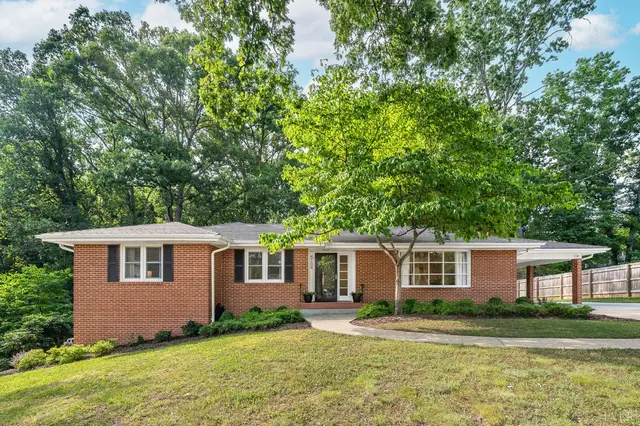
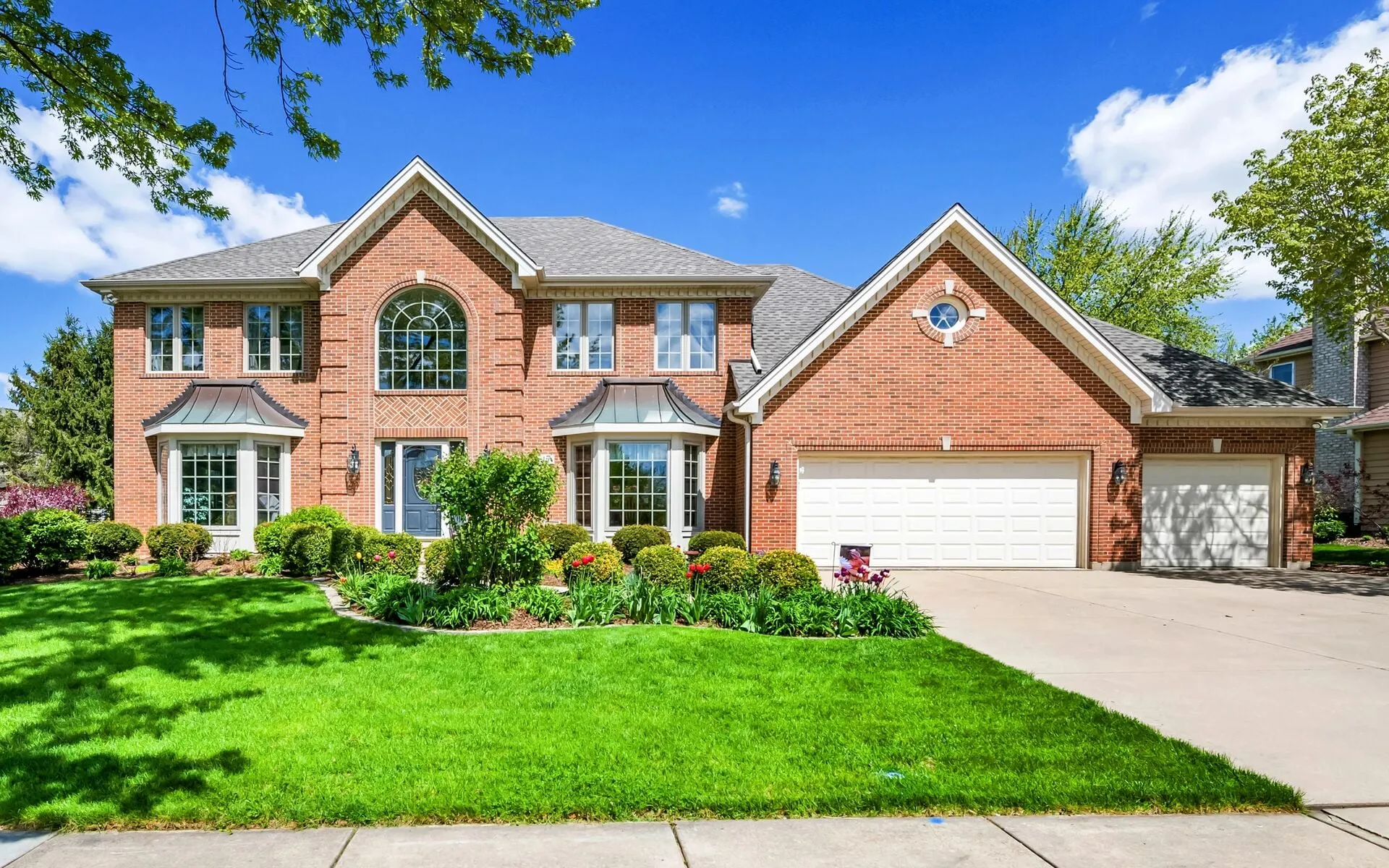
Home in Boonsboro, Lynchburg, VAPostwar

Boonsboro and Peakland

Often county
Homes
Larger homes, mature trees, bigger lots
Best for
Room to spread out

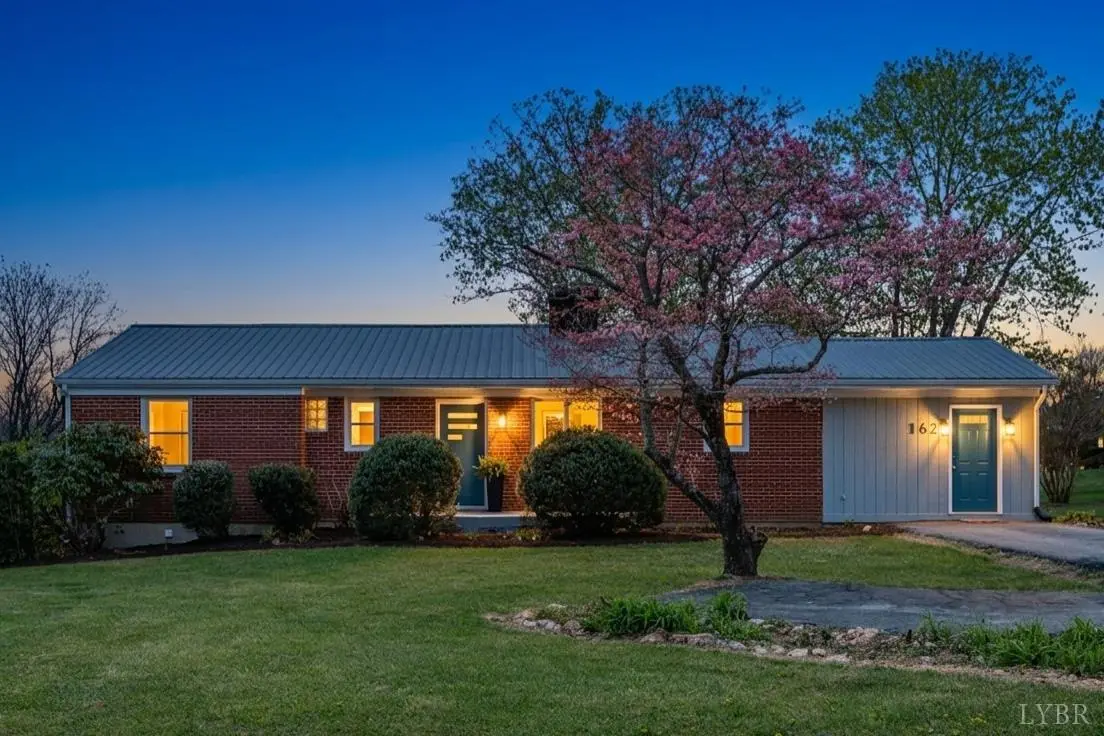
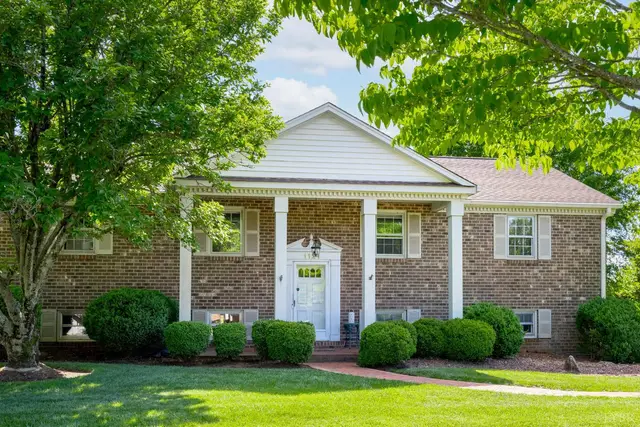
Northwest of Rivermont, Boonsboro and the Peakland area hold some of the city's most established neighborhoods: larger homes, mature trees and bigger lots than the older hills. One thing to know: Boonsboro Road crosses the city line, and many Boonsboro addresses are actually in Bedford County. Same name, same mailing city, different taxes and schools.

Home on the east side, Lynchburg, VAPostwar

Fort Hill, Fairview Heights and the east side

City
Homes
Bungalows, cottages and postwar houses
Best for
First-time buyers and investors

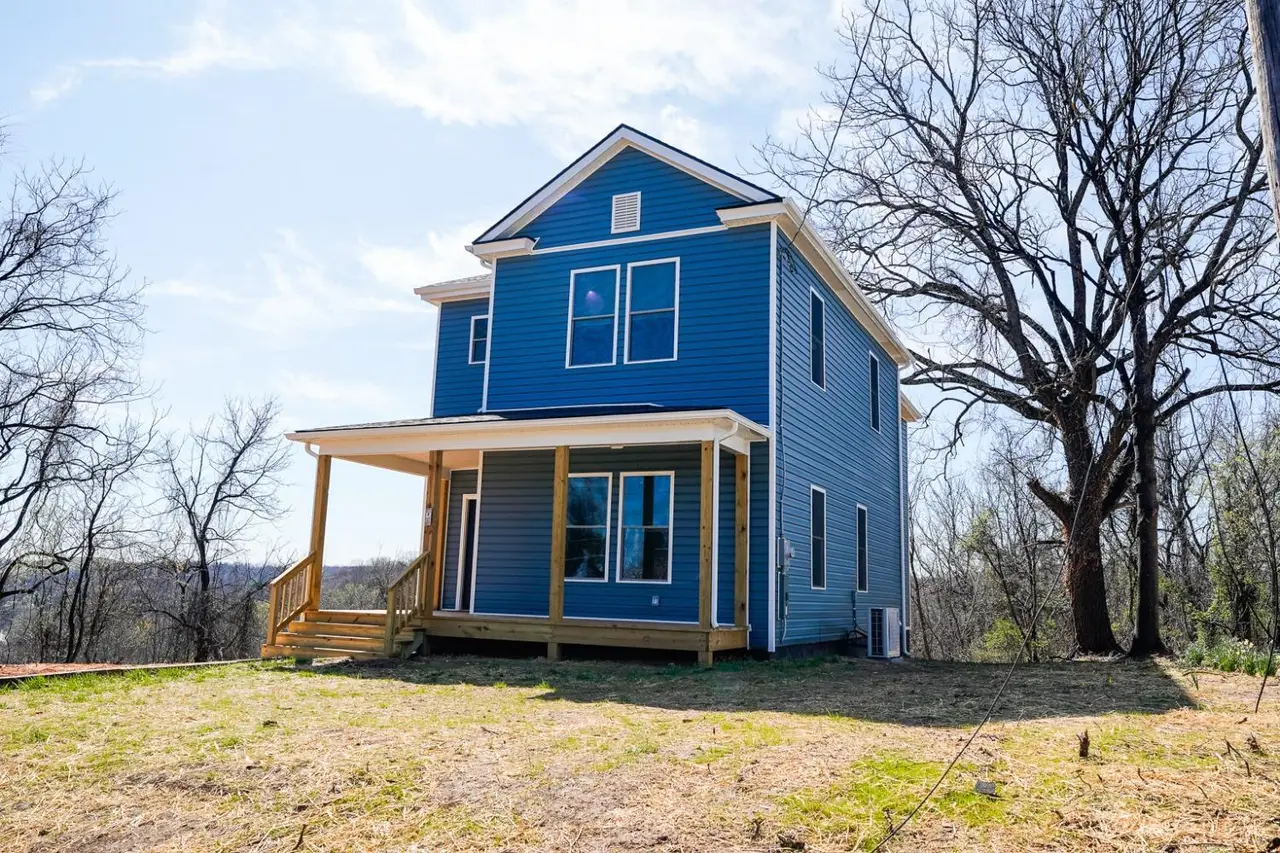
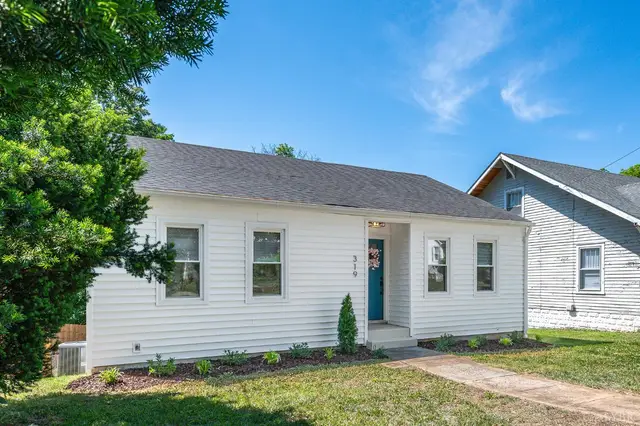
The east side, around Fort Avenue, Fort Hill and Fairview Heights, has many of the city's most affordable single-family homes: bungalows, cottages and postwar houses on modest lots. For first-time buyers and investors, this is often where the numbers work.

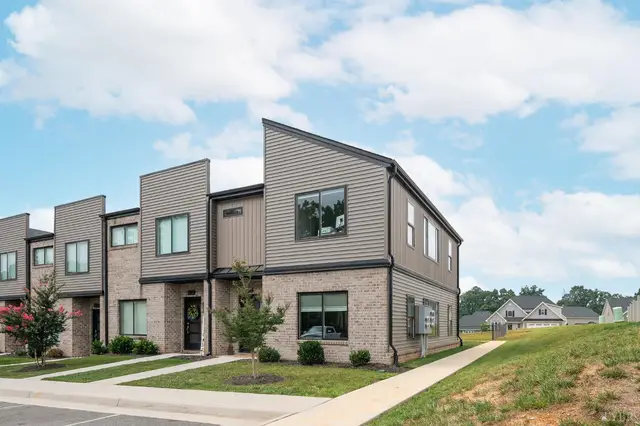
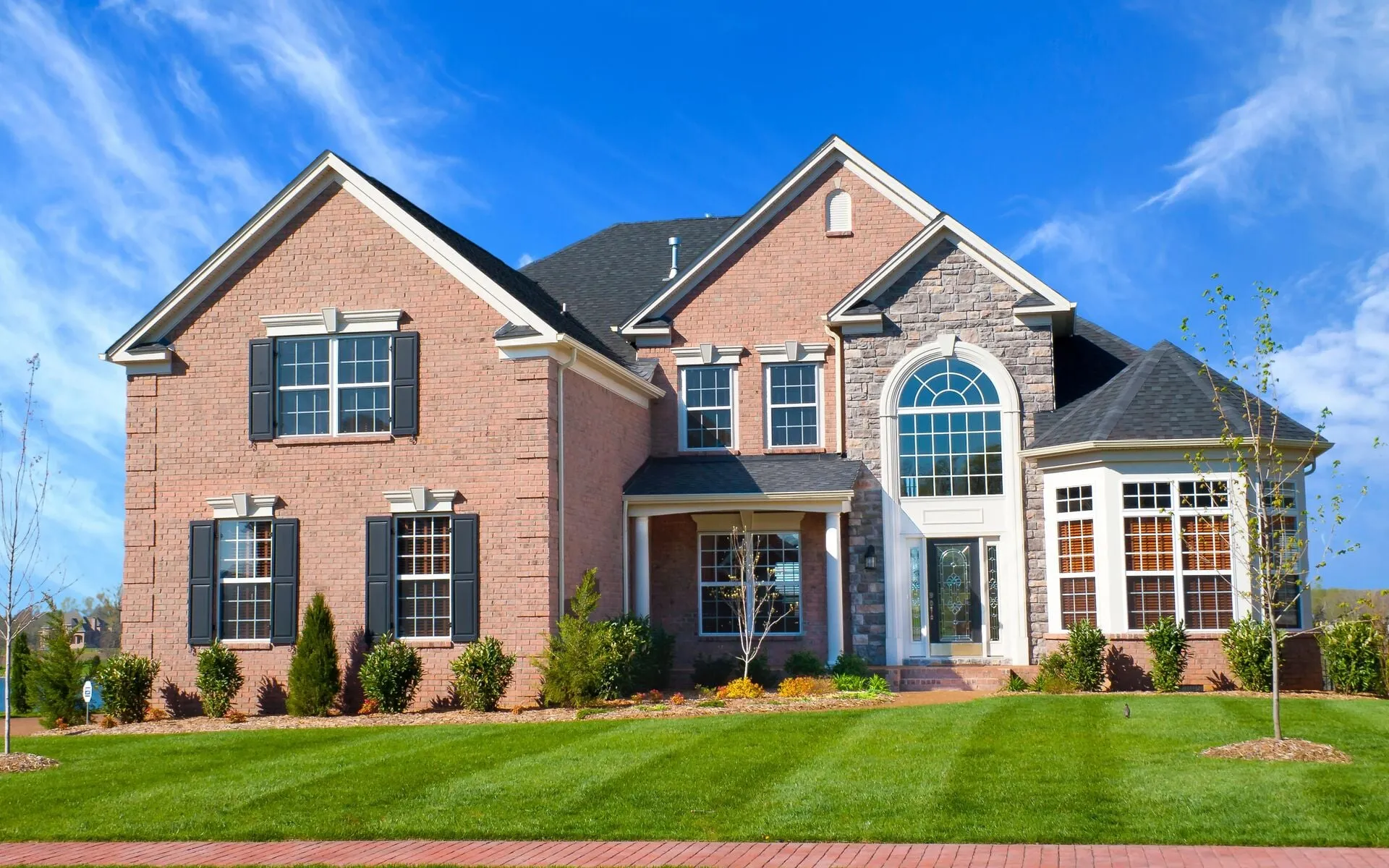
Home in Wyndhurst, Lynchburg, VA2000s+

Wyndhurst and west Lynchburg

City
Homes
Townhomes and newer single-family homes
Best for
Newer construction inside the city

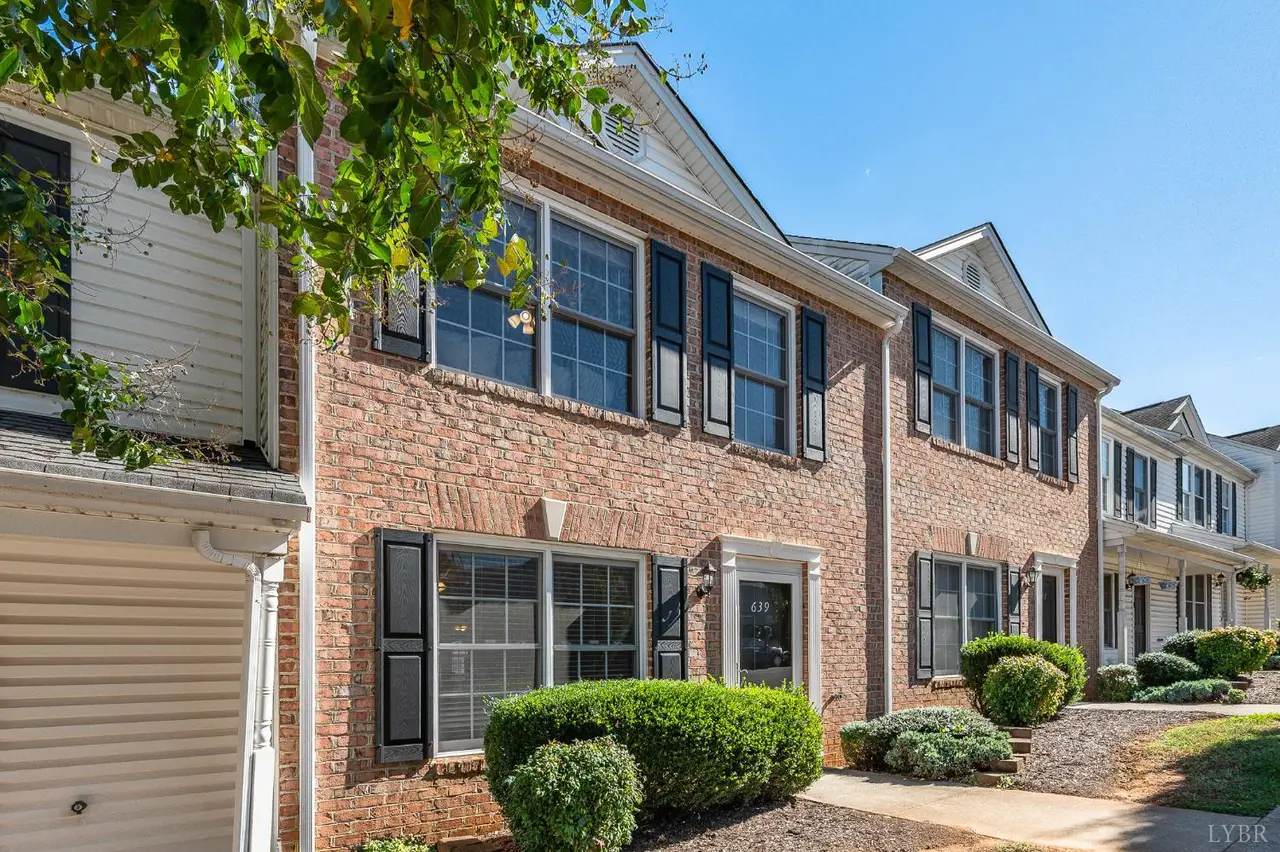
In the west end, Wyndhurst is a newer planned community with townhomes, single-family homes and a town center with shops and restaurants. Nearby, Cornerstone adds more recent construction while staying inside the city limits.

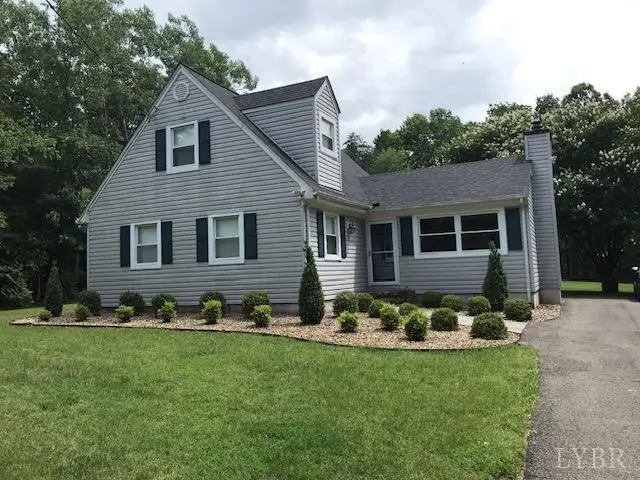
Home in Timberlake, Campbell County, VAPostwar

Timberlake and Wards Road

Often county
Homes
Homes near the region's shopping
Best for
Being close to shopping

The Timberlake and Wards Road areas are where much of the region's shopping is, and they are a good example of the city and county line. Much of Timberlake is in Campbell County, even with a Lynchburg address. I check every one.

Drive times

Getting around Lynchburg

Lynchburg is the largest city in Virginia without an interstate, which surprises people until they drive it. U.S. 29 runs north and south as an expressway, U.S. 460 runs east and west, and U.S. 501 and U.S. 221 fill in the rest. The average commute in the city is under 17 minutes.

  • Charlottesvilleabout 1 hour 10 minutes north on U.S. 29
  • Roanokeabout 1 hour west on U.S. 460
  • Richmondabout 2 hours east
  • Washington, D.C.about 3.5 hours north
  • Smith Mountain Lake and the Peaks of Otterboth about an hour or less
1 HR2 HR3 HRCharlottesville1H 10M · U.S. 29Washington, D.C.3.5HRichmond2HSmith Mountain LakeABOUT 1HRoanoke1H · U.S. 460Lynchburg

By train

Amtrak's Northeast Regional leaves from Kemper Street Station with direct service to Washington, Baltimore, Philadelphia, New York and Boston. The Crescent connects to Charlotte, Atlanta and New Orleans.

By air

Lynchburg Regional Airport has daily American Eagle flights to Charlotte, which connect to almost anywhere.

Census data

Lynchburg by the numbers

Population79,0092020 Census. 81,347 in the July 2025 estimate.Source: U.S. Census Bureau
Median household income$57,947ACS 2020 to 2024Source: U.S. Census Bureau
Homeowners48.9%of homes are owner-occupiedSource: U.S. Census Bureau
Average commute16.8 minACS 2020 to 2024Source: U.S. Census Bureau
Bachelor's degree or higher38.5%of adults 25 and overSource: U.S. Census Bureau
Census median home value$229,800Owner estimates from the 2020 to 2024 survey, which trail current sale prices.It is self-reported and years behind the market, and I would rather say so than let it mislead anyone.Source: U.S. Census Bureau

What's your Lynchburg home worth?

Trails and greenways

Parks and the outdoors in Lynchburg

40 miles of trails

The city's trail system totals about 40 miles, including five paved trails, much of it built on old rail lines.

1.5 mi

Percival's Island

a 1.5-mile island in the James River with a paved trail down its full length, reached from downtown.

1.75 mi

Ivy Creek Greenway

1.75 paved miles through Peaks View Park on the west side.

Riverside Park

a long-time favorite along Rivermont Avenue.

Beyond the city, the Blue Ridge Parkway, the Peaks of Otter, Smith Mountain Lake and the Appalachian Trail are all an easy day trip.

Local favorites

What people love about Lynchburg

Schools and colleges

Lynchburg schools and colleges

Homes inside the city limits are served by Lynchburg City Public Schools:

Elementary
Ten elementary schools
Middle
Linkhorne, Dunbar and Sandusky
High
E.C. Glass and Heritage
Specialty
Specialty programs including the Central Virginia Governor's School

Zoning follows the exact address, so I confirm it for every home.

Lynchburg is also a college town five times over:

  1. 01Liberty University
  2. 02University of Lynchburg
  3. 03Randolph College
  4. 04Virginia University of LynchburgThe city's oldest institution of higher learning
  5. 05Central Virginia Community College

Employers

Where people work in Lynchburg

Under17minute average commute

With commutes this short, most buyers can live in whichever neighborhood fits them, not just the one closest to work.

  • Liberty UniversityThe region's largest employer
  • CentraLynchburg General Hospital and Virginia Baptist Hospital
  • BWX TechnologiesHeadquartered here. The region is also a center for nuclear technology.
  • FramatomeMajor Lynchburg operations
  • Frito-Lay
  • J.Crew distribution center
  • City of Lynchburg

Before you commit

Buying in Lynchburg: what I check

Lynchburg's older housing is a big part of its appeal, and it comes with a checklist. These are the things I look at on every Lynchburg home before you commit:

  • City or county

    taxes and schools depend on it, and the mailing address will not tell you.

  • Historic districts

    in a local historic district, exterior changes can need city approval. Know before you plan the new windows.

  • Older systems

    in homes built before the 1950s, I look closely at wiring, plumbing, heating and old oil tanks. Homes built before 1978 come with a lead-based paint disclosure.

  • Hills and drainage

    steep lots are part of the charm. Grading, retaining walls and water management deserve a careful look at inspection.

  • Flood zones

    a handful of areas near the James River and Blackwater Creek fall in FEMA flood zones, which affects insurance. I check the map for every home.

Flat fee listing

Selling in Lynchburg

Lynchburg buyers do their homework, and the homes that sell best are priced from real comparable sales, prepared well and presented beautifully. I list Lynchburg homes for a flat fee instead of a percentage of your price, with the same full service.

FAQ

Questions about Lynchburg

Is Lynchburg in a county?

No. Lynchburg is an independent city, separate from the counties around it (Amherst, Bedford and Campbell). Homes inside the city limits pay city real estate tax and attend Lynchburg City Public Schools.

What is the real estate tax rate in Lynchburg?

$0.84 per $100 of assessed value (Lynchburg City, as of October 5, 2026). Confirm the current rate with the city before you buy.

Does a Lynchburg address mean the home is in the city?

Not always. Parts of Bedford County and Campbell County, including many Boonsboro and Timberlake addresses, use Lynchburg mailing addresses but pay county taxes and attend county schools. Check the exact address.

Which schools serve Lynchburg homes?

Homes inside the city limits are served by Lynchburg City Public Schools, whose high schools are E.C. Glass and Heritage. County addresses with a Lynchburg mailing address attend Bedford or Campbell County schools instead.

How far is Lynchburg from Charlottesville, Roanoke and Washington, D.C.?

About 1 hour 10 minutes to Charlottesville, about 1 hour to Roanoke and about 3.5 hours to Washington, D.C. by car. Amtrak's Northeast Regional also runs direct from Kemper Street Station to Washington and New York.

Why is Lynchburg called the Hill City?

The original city was built on seven hills above the James River: College, Garland, Daniel's, Federal, Diamond, White Rock and Franklin Hill. Several of those neighborhoods are now historic districts.

From the blog

Guides for Lynchburg

  • Lynchburg VA Housing Market: Fall 2026 Guide

    Lynchburg VA housing market: fall 2026 prices, inventory, and days on market, plus what buyers and sellers should do now. See the latest data before you move.

  • 2025 Lynchburg Real Estate Market Update

    As we reach the midpoint of 2025, I want to share an honest update on how Lynchburg’s housing market is doing. This year has brought a steadier, more balanced market compared to the frenzy of a couple of years ago.

Mason Kiffmeyer

Mason Kiffmeyer

REALTOR® · LPT Realty, Inc.

Phone
(952) 715-7715
Email
mason@lyhrealtor.com

Your Trusted Advisor

Real Estate Done Right

Looking to buy, sell, or invest in real estate? Whether you are serious about moving or just have questions, I would be happy to hear from you and share my expertise on the Lynchburg Market.